
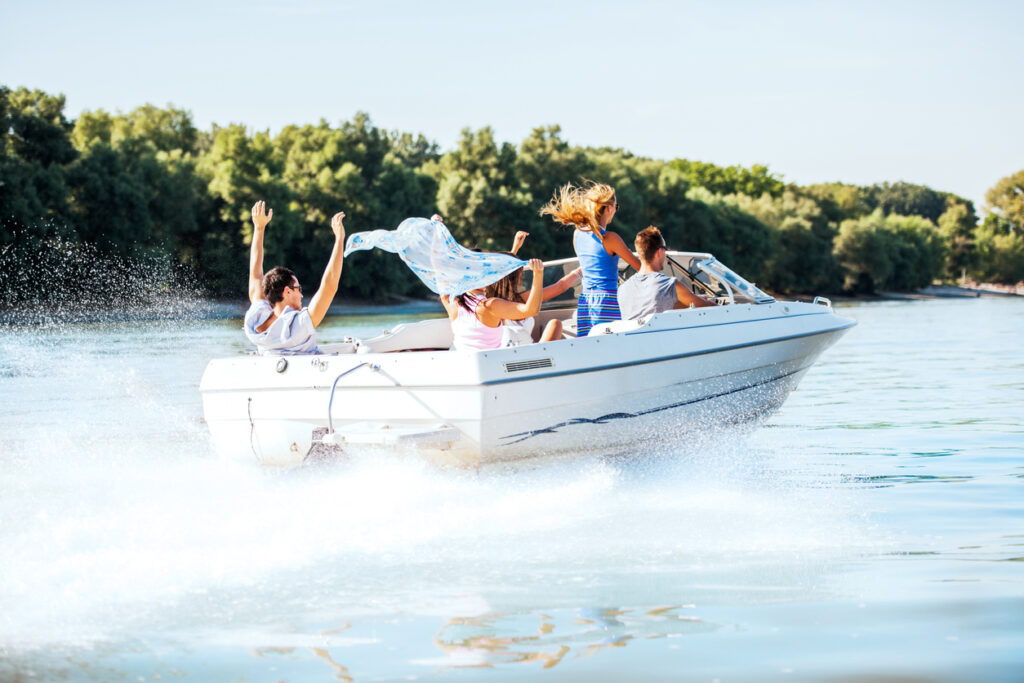
With summer almost here, you’re likely excited to get your boat out of storage and spend time on the water with friends and family. After a long winter, sunny days on the water can be hard to resist. However, even experienced boaters can make mistakes that lead to dangerous situations.
Take time to go over summer boating safety tips before your first trip to refresh your memory and help keep everyone on board safe. From checking your lights to watching the weather, a little preparation can go a long way.
Navigation Lights
Before you set out on the water for the first time this summer, make sure your boat’s navigation lights are in working order. Navigation lights help other boats see you when visibility is low. They are also required by state law.
Maryland requires boaters to use navigation lights when operating between sunset and sunrise. You must also use them during rain, fog, haze, or other low-visibility conditions. All power-driven vessels under 65.6 must have red (port) and green (starboard) sidelights, a stern light, and a masthead light (or an all-around light for boats under 39.4 feet). These lights must remain visible from two miles away.
Proper navigation lights help boaters identify another vessel’s direction and reduce the risk of collisions. You may also want to brush up on basic navigation rules before heading out. Knowing what different light colors mean can help you understand right-of-way rules in different situations.
Communication Equipment
With your boat having spent a long winter in storage, you must check to ensure your onboard communication equipment still works properly.
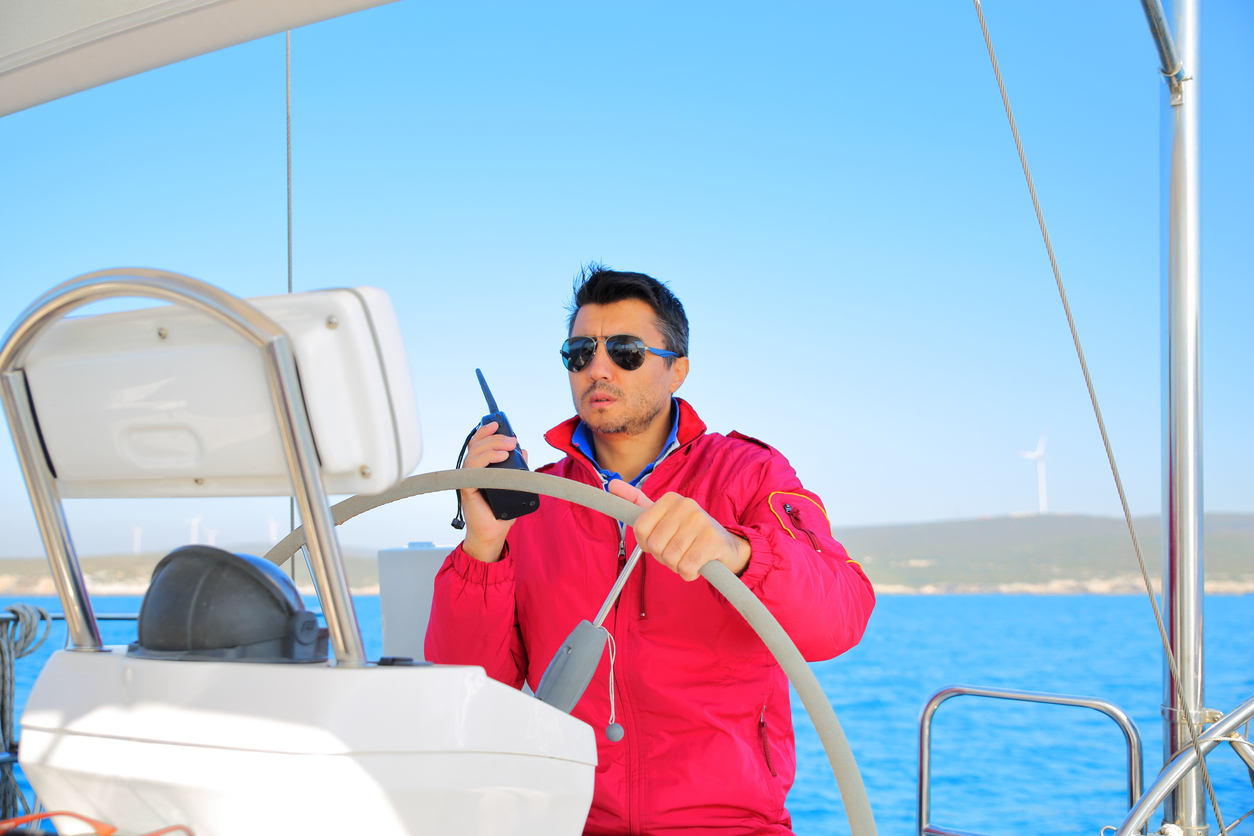
While it might be tempting to rely on your cellphone for communication if you encounter a problem out of the water, this is risky, as service may be unreliable far from shore. The Maryland Department of Natural Resources (DNR) recommends carrying a VHF handheld radio on board. These radios have a much greater range than a cellphone and can help you contact the Coast Guard during an emergency. They also provide a more dependable way to communicate if weather or distance affects your signal.
Some boats have mounted VHF radios. However, a portable backup radio is still a smart idea in case your boat battery fails. It adds another layer of protection and can be especially useful if you need to call for help quickly.
Weather Awareness
Checking current weather conditions before and during your trip can help you avoid dangerous conditions and ensure your family’s safety. Even calm days can change quickly on the water, and storms often move in faster than many boaters expect.
NOAA weather forecasts can help you monitor storms, wind changes, rough water, and lightning risks before leaving the dock. It is also a good idea to continue checking weather conditions throughout the day, especially if you plan to stay on the water for several hours. Once you are on the water, stay alert for signs that conditions are changing.
Common warning signs include:
- Large clouds that become darker
- Sudden wind shifts
- Cooler air temperatures
- Falling atmospheric pressure
- Distant thunder or lightning
- Choppy water and stronger waves
If you notice any of these signs, head back to shore as soon as possible and wait for conditions to improve.
Safety Equipment
Before you head out on the water, make sure you have the right safety equipment on board. In an emergency, these items can make a major difference.
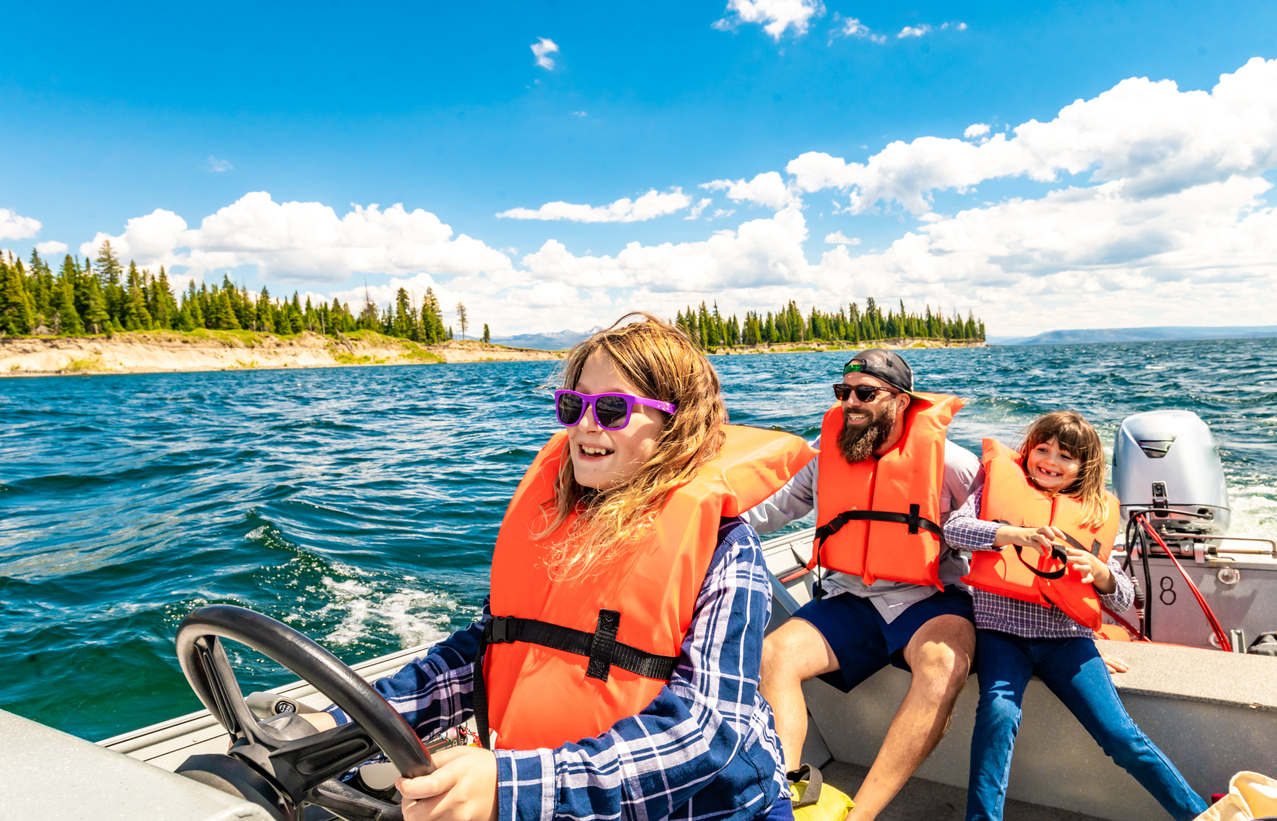
One of the first things to check is that you have properly fitted life jackets for every passenger. While Maryland law requires children under 13 to wear Coast Guard-approved life jackets, everyone on board should wear one at all times, as life jackets can save lives during an accident.
You should also keep a fully stocked first aid kit on your boat in case of injury or other emergencies. In addition, Maryland law requires boaters to carry additional safety equipment, including:
- A Type IV throwable PDF (for 16 Ft. to 26 Ft. boats)
- A Type B-1 fire extinguisher
- A sound-producing device such as a horn, bell, or whistle
- Nighttime visual distress signals, such as flares
- Proper navigation lighting
Docking Safety
Once your trip is over, your last step is to dock your boat. While this may seem simple to the casual observer, you likely have firsthand experience that tells you otherwise. Even experienced boaters know that wind, currents, and tight spaces can make docking stressful. A careful approach can help you finish your day safely and avoid damage to your boat.
To help you end your trip on a high note, here are a few tips to help you dock safely:
- Reduce Speed: As you approach the dock, slow down early and stop a safe distance away. This helps you stay in control and lowers the risk of hitting the dock, nearby boats, or other obstacles. When moving in closer, use the slowest possible speed and short bursts of power as needed.
- Position Your Boat Properly: Approaching from the right direction can make docking much easier. When possible, come in from upwind or up-current to help keep the boat under control. If the wind is pushing you away from the dock, you may need to adjust your angle as you approach.
- Use Your Fenders: Before you reach the dock, have your fenders, tie lines, and boat hook ready. Never use your hands, arms, or legs to stop the boat or push it away from the dock, as this can cause serious injuries. Use the boat hook to help guide the boat into position, and place the fenders where they can protect the hull. Once you are in place, secure the boat to the dock properly.
Summer Boating Safety Tips for Night Boating
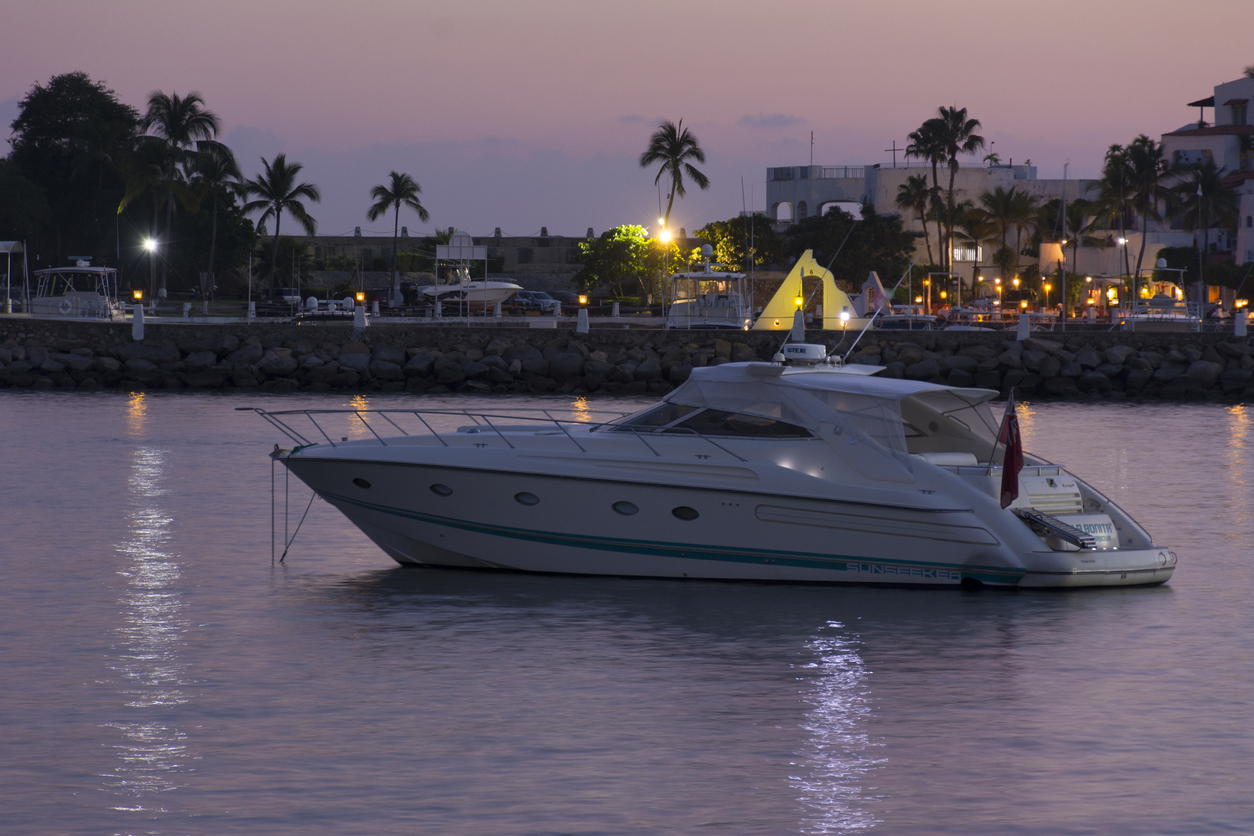
Night boating can be a truly breathtaking experience. It allows you to take in the stars with less light pollution while also offering scenic views of the shore lit at night. However, night boating can also come with certain risks, so you should take special precautions, such as:
- Slowing Down: Reducing your speed is one of the smartest ways to stay safe when boating at night. Lower visibility gives you less time to react, so slowing down helps you spot obstacles, markers, and other vessels sooner.
- Using Proper Lighting: Proper navigation lights are required and help other boaters see you more clearly at night. You can also improve your own visibility by dimming console lights and using red flashlights instead of bright cabin lights to protect your night vision.
- Leveraging Navigation Tools: Radar and GPS can help you stay on course, track your location, and avoid hazards in low-light conditions.
- Maintaining a Lookout: Do not rely solely on equipment. Ask someone on board to keep watch for other boats, channel markers, and debris, so you have another set of eyes scanning the water.
- Listening Closely: Loud music can make it harder to hear nearby vessels or warning sounds. Keeping noise levels low can improve your awareness and reaction time.
- Filing a Float Plan: A float plan is always helpful, but it becomes even more valuable at night. Let someone on land know where you are going and when you expect to return so they can alert authorities if something goes wrong.
Looking for Docking Options in Annapolis, MD? Contact Trident Marine Group Today!
Boating can be a great way to get outdoors and spend time with your family during the summer, but a safe and enjoyable trip starts with the right preparation.
Take time to go over navigation practices, check weather conditions, and confirm that you have the proper safety equipment on board. These can help you feel more confident every time you head out on the water. Along with following summer boating safety tips, choosing the right place to dock can help make every outing smoother from start to finish.
Make the season even better by docking your boat at one of the marinas by Trident Marine Group. We offer convenient, affordable mooring and docking options, along with premium amenities designed to elevate your time on and off the water. Enjoy features such as swimming pools, clubhouses, private showers, concierge services, and access to water, shore power, and Wi-Fi at our boat slips near Annapolis.
To learn more about availability and our marina amenities, contact us today.