
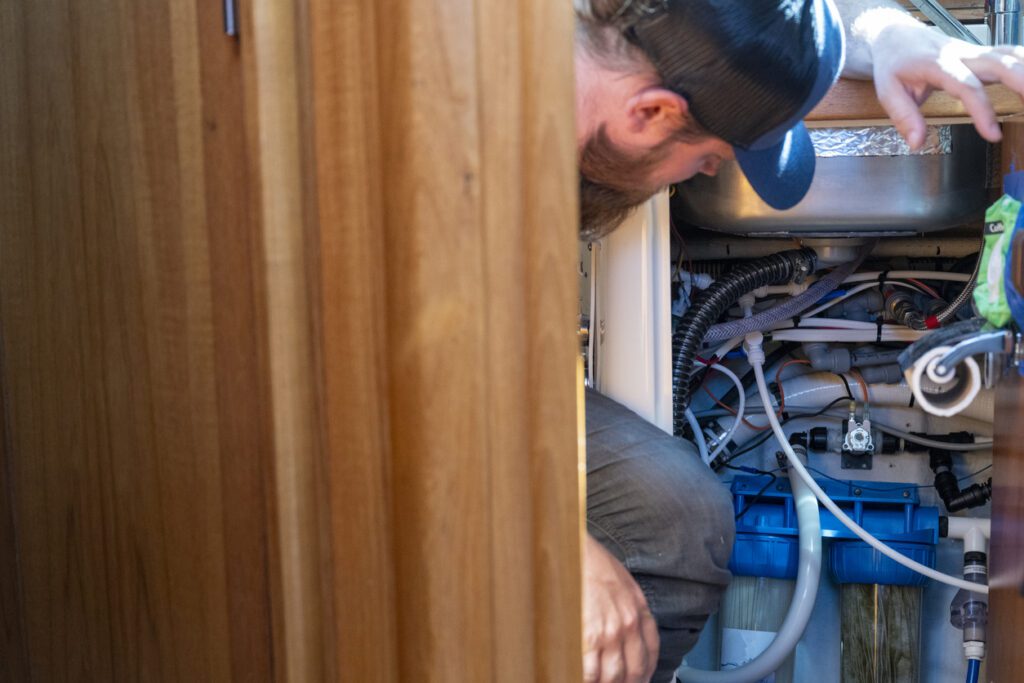
With spring officially here, it’s time to bring your boat out of storage, de-winterize it, and get everything ready for the season ahead. Boat electrical system maintenance should be a top priority, as it directly impacts performance, safety, and reliability on the water. A well-maintained electrical system helps your boat run smoothly, supports critical onboard equipment, and lowers the risk of breakdowns that can interrupt your time on the water.
Think of it as the quiet work behind every confident launch, every smooth ride, and every worry-free day on the water. A few smart checks now can help you avoid frustrating issues later, while also protecting the systems that keep your boat operating at its best.

Prevent Corrosion Before It Spreads
Corrosion is one of the biggest threats to your boat’s performance and longevity. Between saltwater exposure, humidity, and everyday wear, terminals and wiring can begin to degrade faster than many boat owners realize. Even minor corrosion can weaken electrical connections, reduce efficiency, and eventually lead to system failure if ignored.
That is why corrosion prevention should be a regular part of your maintenance routine. Inspect electrical connections closely for any signs of buildup, discoloration, or damage. If corrosion is present, remove it carefully with a wire brush or an approved corrosion remover. When replacing wiring or connectors, choose marine-grade tinned copper wiring and heat-shrink connectors designed for harsh marine conditions. Applying dielectric grease to exposed terminals can also help seal out moisture and slow future corrosion.

Pay Attention to Excess Vibration
Every boat experiences some level of vibration, even under normal conditions. However, excessive vibration can point to a larger issue, such as loose engine mounts, propeller damage, or a bent shaft. Beyond the mechanical concern, it can also take a serious toll on your electrical systems.
Too much vibration can loosen terminals and wiring connections, create voltage drops, and damage sensitive electronics like GPS units, radar, and other onboard systems. It can even affect battery performance over time if the battery is not properly secured.
Get familiar with how your boat normally feels and sounds when it is running well. If something changes and the ride suddenly feels rougher than usual, do not brush it off. Investigating unusual vibration early can help prevent both mechanical and electrical damage before it becomes more expensive to fix.
Protect Wiring From Sun, Salt, and Moisture
Your boat’s wiring is constantly exposed to demanding conditions. Sunlight, saltwater, moisture, and heat all contribute to wear over time. If wiring is left unprotected, the insulation can crack, connections can weaken, and the risk of shorts increases significantly.
To reduce that risk, use adhesive-lined heat shrink tubing on every terminal, splice, and connection. This creates a tighter seal that helps keep water and salt out. Secure cables every 18 inches using cushioned clamps or zip ties so they do not move excessively while the boat is in operation. Whenever possible, keep wiring routed high enough to avoid bilge water and other wet areas.
Routine visual checks are just as important. Look for chafing, cracked insulation, brittle spots, or any signs of wear. Replacing a damaged wire early is much easier and far less stressful than troubleshooting a sudden failure out on the water.
Label and Organize Wiring
Good organization is an often-overlooked but essential part of boat electrical system maintenance. A well-organized electrical setup does more than look neat. It also makes troubleshooting easier, supports safer repairs, and reduces the chances of accidental mistakes when working on the system.
Take time to clearly label circuits at the breaker and organize wire runs with clamps or fasteners that keep everything in place. Clean wire routing makes it easier to identify issues later and reduces the risk of wires getting snagged, pinched, or exposed to unnecessary wear.
Stay on Top of Battery Maintenance
No conversation about electrical care is complete without the battery. Your batteries are the heart of the system, and without them, your boat is not going anywhere. If the battery is weak, loose, or improperly maintained, the rest of your electrical setup becomes far less dependable.
Start by making sure batteries are properly secured so they cannot shift while the boat is moving. Battery movement can loosen cables, increase wear, and even contribute to short circuits. Before each trip, inspect terminals for corrosion and make sure all connections are tight. It is also smart to verify that the battery is fully charged before leaving the dock.
To maintain battery health, regularly monitor voltage with a battery monitor, if available. This can help you avoid accidental drain and catch charging issues before they become a bigger problem. During busy boating months, especially, strong battery habits make a noticeable difference. Reliable battery care is a major part of effective boat electrical system maintenance.
Avoid Overloading Your Electrical Systems
One of the most common causes of electrical trouble on a boat is overloading the system. This often happens when owners add electronics such as upgraded stereos, navigation equipment, lighting, or other accessories without also upgrading the supporting wiring or circuits.
When circuits are overloaded, the result may be blown fuses, tripped breakers, poor performance, or heat buildup that can damage components. In some cases, it can even create fire risk.
To avoid this, know the electrical load requirements of your equipment and make sure your circuits are properly sized to support them. If you are making upgrades, verify that your fuses and breakers have the correct amperage for the new setup. It is always better to plan electrical additions carefully than to assume the current system can handle extra demand.
Perform Routine Electrical Inspections
Electrical issues often give warning signs early, but those signs are easy to miss if you are not making inspections part of your routine.
When checking your system, look for chafed wires, loose connections, discolored insulation, unusual heat, or burning smells while the boat is running. Any of these can point to a developing issue that needs attention. Even something as small as a loose terminal can lead to more serious performance problems if left unresolved.

Consistent inspections are a core part of boat electrical system maintenance because they help you stay ahead of trouble rather than reacting to it later. A few extra minutes of attention before and after trips can go a long way in protecting your boat and everyone on board.
Boat Electrical System Maintenance for Long-Term Peace of Mind
If you are ever unsure about the condition of your boat’s electrical systems, bringing in an experienced technician is a smart next step. Professional inspections can uncover hidden issues, verify that your systems are operating safely, and help you avoid common electrical problems before they happen.
That added support becomes even more valuable when your boat is stored at a trusted marina with service resources available. With Trident Marine Group, boat owners can benefit from best-in-class marina support, including access to an on-call mechanic and preventative maintenance services that help reduce the risk of unexpected electrical issues, leaving you stranded.
Professional care offers peace of mind that goes beyond a quick seasonal check. It means knowing your boat is being looked after by experienced professionals who understand what it takes to keep critical systems operating safely and reliably throughout the season. To learn more about available marina services and how expert support can strengthen your boat’s electrical system maintenance, contact us today.